Education here is understood not merely as the transfer of information but as the formation of the human person. The goal is not simply the accumulation of knowledge, but the cultivation of wisdom—helping students grow in their ability to recognize truth, love what is good, and delight in what is beautiful.
Our days follow the classical pattern of scholé: learning that is full, attentive, and yet unhurried.
Rather than moving quickly through material, students are given time to read carefully, observe closely, and enter into thoughtful conversation. The rhythm of the day is purposeful yet restful, allowing space for reflection, curiosity, and genuine engagement with ideas.
This vision grows from the biblical understanding that human beings are created in the image of God. Because we bear the imago Dei, we are not merely receivers of information but persons made to seek understanding, exercise creativity, and live responsibly in the world. Education, therefore, seeks to nurture the whole person—mind, character, and imagination.
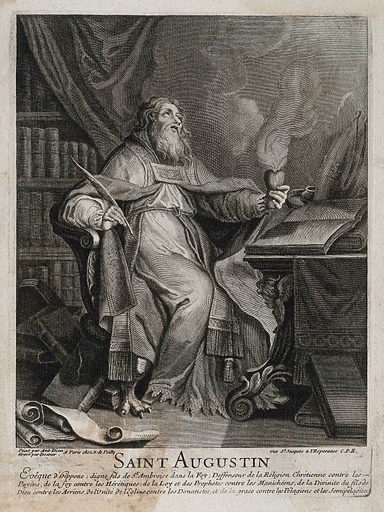
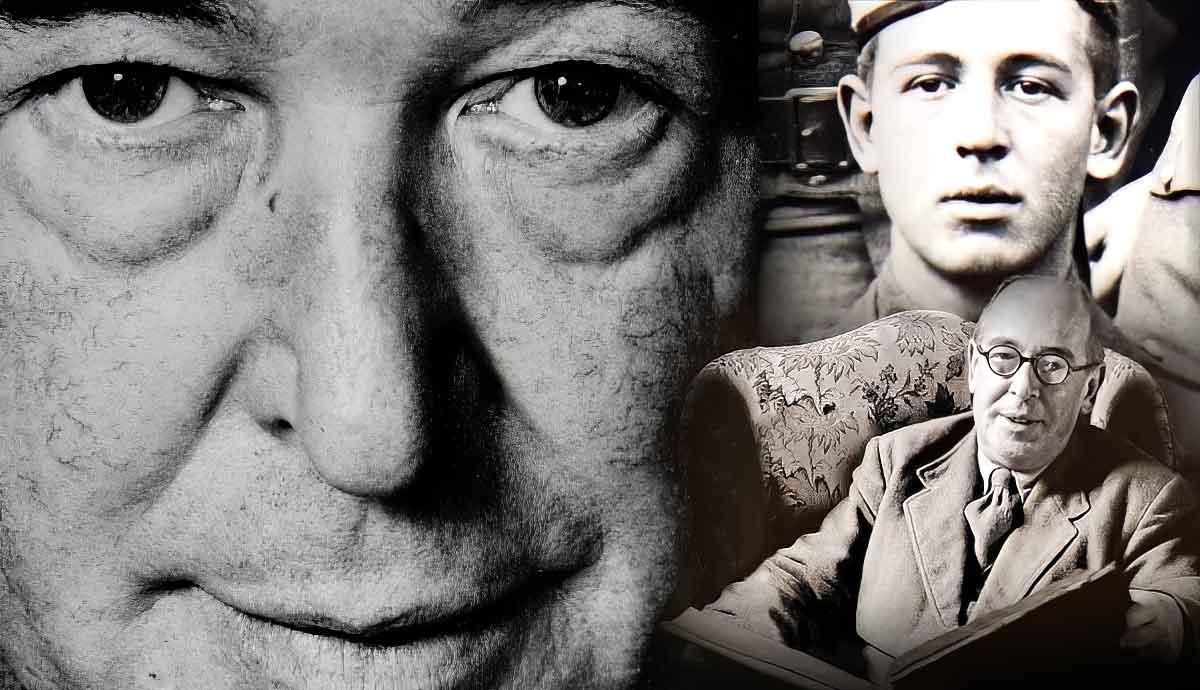
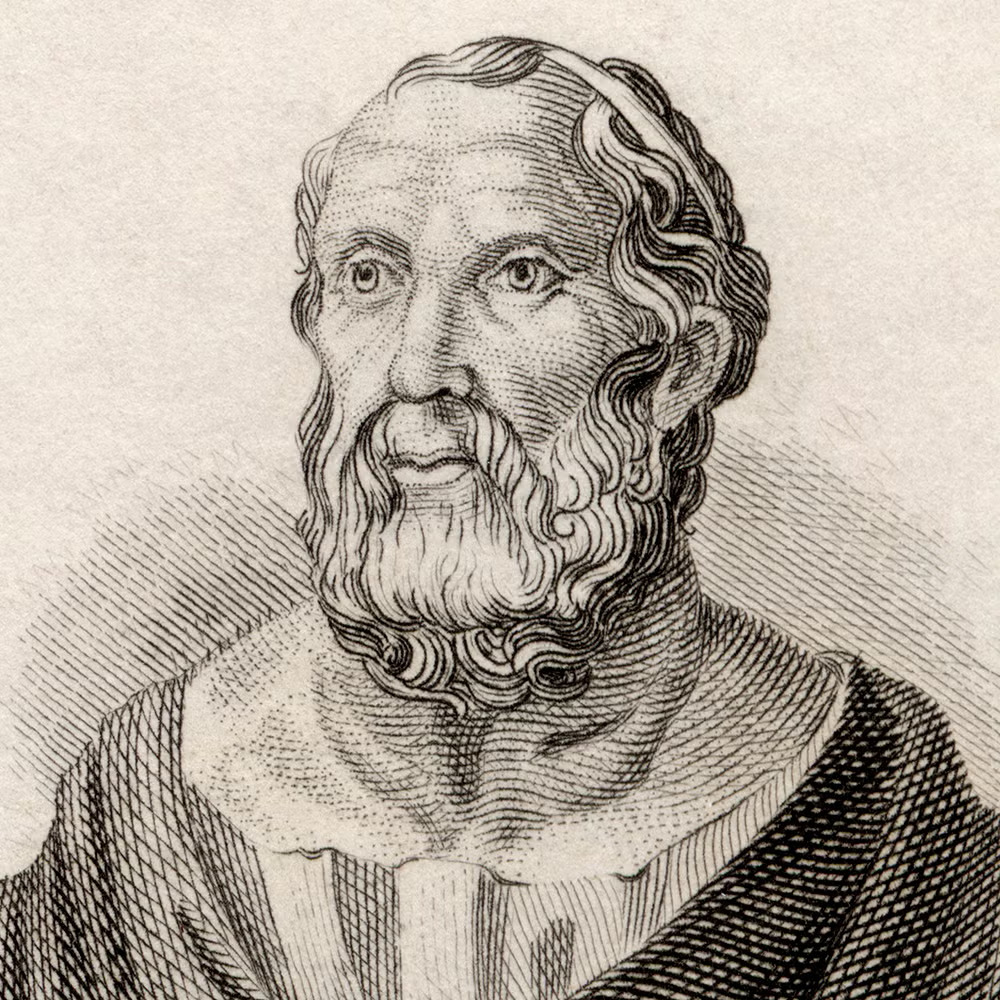
Students engage directly with primary works: great books, historical documents, and works of art. Literature, philosophy, theology, and the visual arts invite students into the great conversation of history, where humanity has long wrestled with life’s enduring questions: What is true? What is good? What is beautiful? What does it mean to live a meaningful life?
The arts play an important role in this process as well. Paintings, architecture, and visual storytelling reveal dimensions of human experience that words alone sometimes cannot express. Learning to interpret both texts and images helps students develop attentiveness and depth in the way they see the world.
Instruction takes the form of guidance and shared inquiry rather than simple lecture. Students are encouraged to ask questions, listen carefully to one another, and grow in the intellectual virtues necessary for thoughtful dialogue.
This approach is informed by graduate study in the humanities and the arts, including a Master’s degree in Great Books and Visual Storytelling. That training helps shape the texts, works of art, and conversations that guide students through the rich intellectual and artistic heritage of the past.
The humanities remind us that the central question of any age is not merely what human beings can do, but what they ought to do. History shows that societies may advance in knowledge and power while losing moral clarity. Education, therefore, must cultivate judgment and wisdom alongside intellectual ability.
The hope for students is that learning awakens both intellectual curiosity and moral imagination—that they leave not only with knowledge, but with a deeper attentiveness to truth, a love for what is beautiful, and a growing commitment to what is good. Ultimately, education aims to help young people live thoughtfully and faithfully as those created in the image of God, using their gifts wisely and directing their lives toward the glory of God.
Our Google Classroom serves as the central hub for all Mucha Art educational offerings, providing students and families with easy access to classes, tutoring, workshops, curriculum, and special events. Students can view assignments, reading schedules, lecture notes, discussion questions, project instructions, and enrichment resources in one organized location. Humanities courses integrate history, literature, theology, philosophy, and the arts through a classical Christian approach, while tutoring classrooms offer individualized support and feedback. Art students receive project guides, demonstrations, and portfolio resources, and workshop participants can access event materials and follow-up activities. Families also benefit from curriculum resources, announcements, calendars, and communication tools that support learning throughout the year. Google Classroom allows our community to stay connected while cultivating a love of truth, goodness, beauty, and lifelong learning.